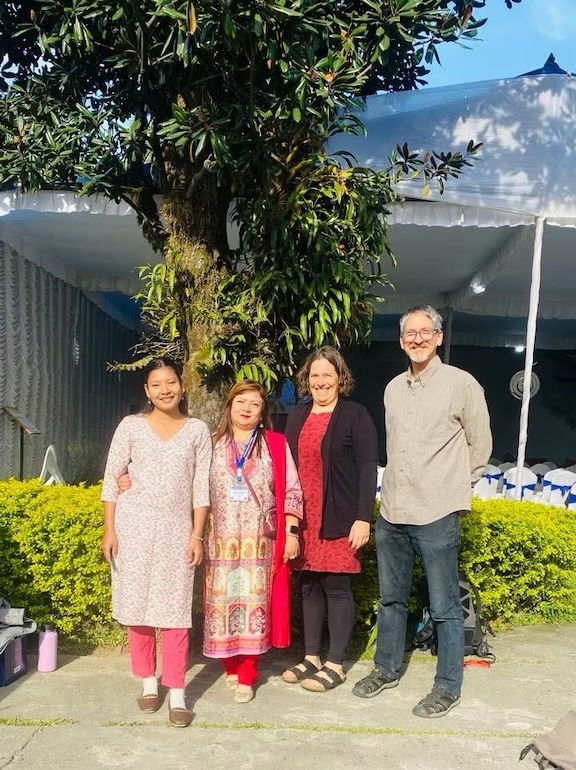

Since our last blog entry written at the end of September, we have been to Canada and back for the memorial service of Lora’s stepmom, Kathy Nafziger, aka Grandma Kathy. But we are also catching up a bit on events in Nepal here before and after those two weeks back in Ontario. October 2026 for us was a season of moving: moving continents, moving from grief to joy, and moving from work to play and back again.
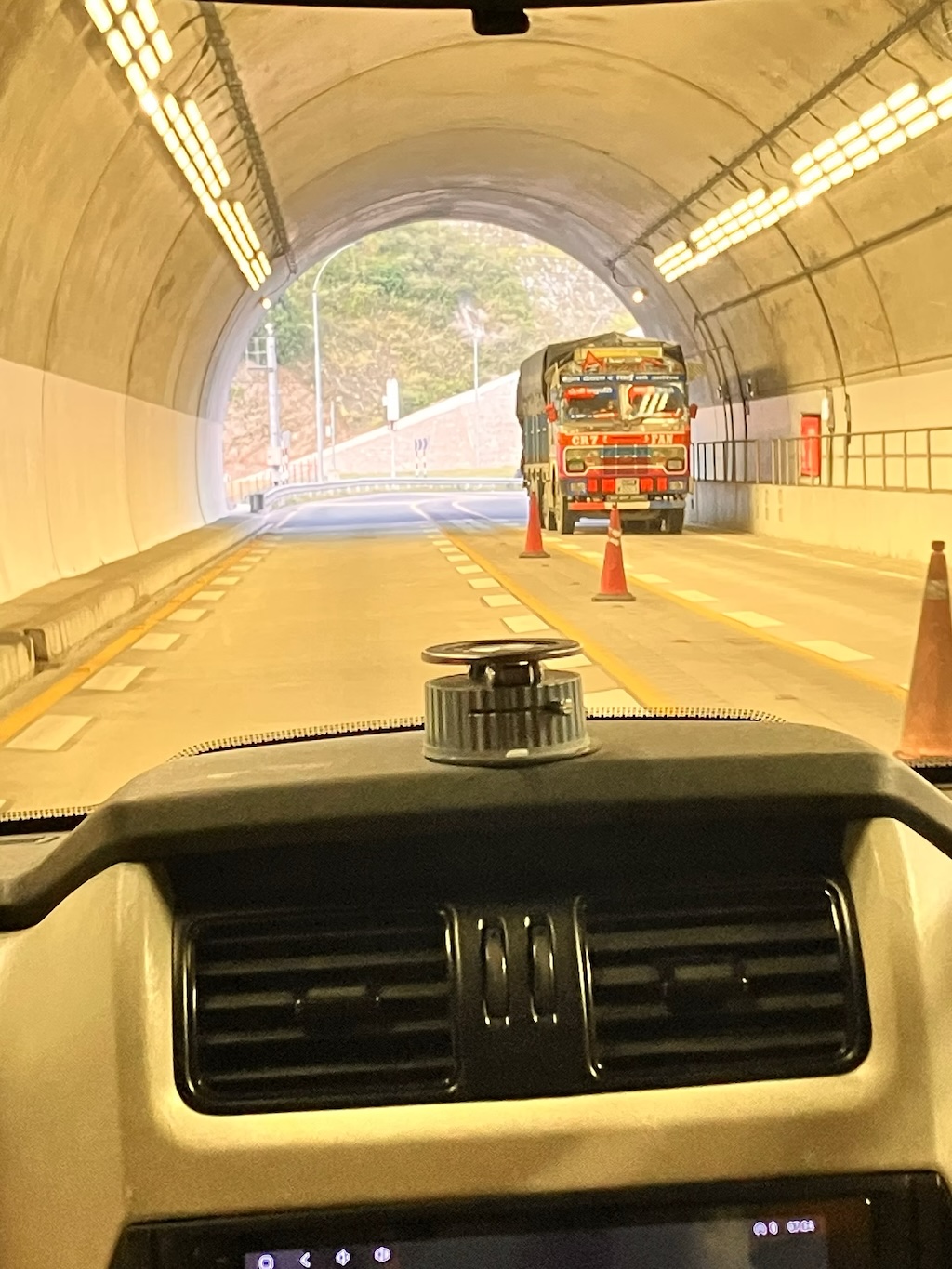
In early October, Lora was asked by our UMN colleague in charge of health programming to go to Dhading, one of the areas affected by the late August “Himalayan Tsunami” flooding. She led some mental health debriefing for the local volunteers who had been trained in psychological first aid. The people she met with are working with the flood survivors and can often experience secondary trauma type events. Just as an aside, on the way to Dhading, leaving the Kathmandu valley heading west, Lora was amazed they were finally able to drive through the Nagdhunga Tunnel, which has been under construction since 2019! The tunnel will save up to an hour’s travel time, depending on traffic. It was built through a close international partnership primarily involving engineers and experts from Nepal, Japan, and China.
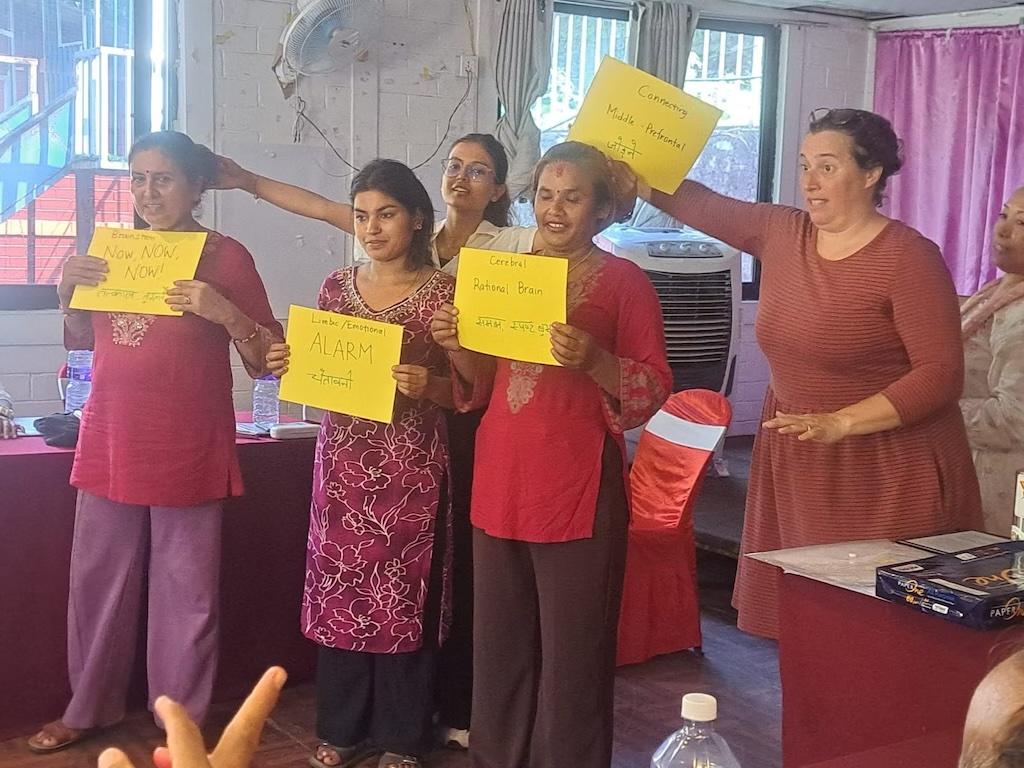
Lora and I also welcomed Kim Johnson from California, who came for another round of EMDR (Eye-movement-desensitization-response) training. There were about 20 Nepali mental health professionals who attended the training at the UMN offices over six days, which Lora coordinated now for the second year in a row.
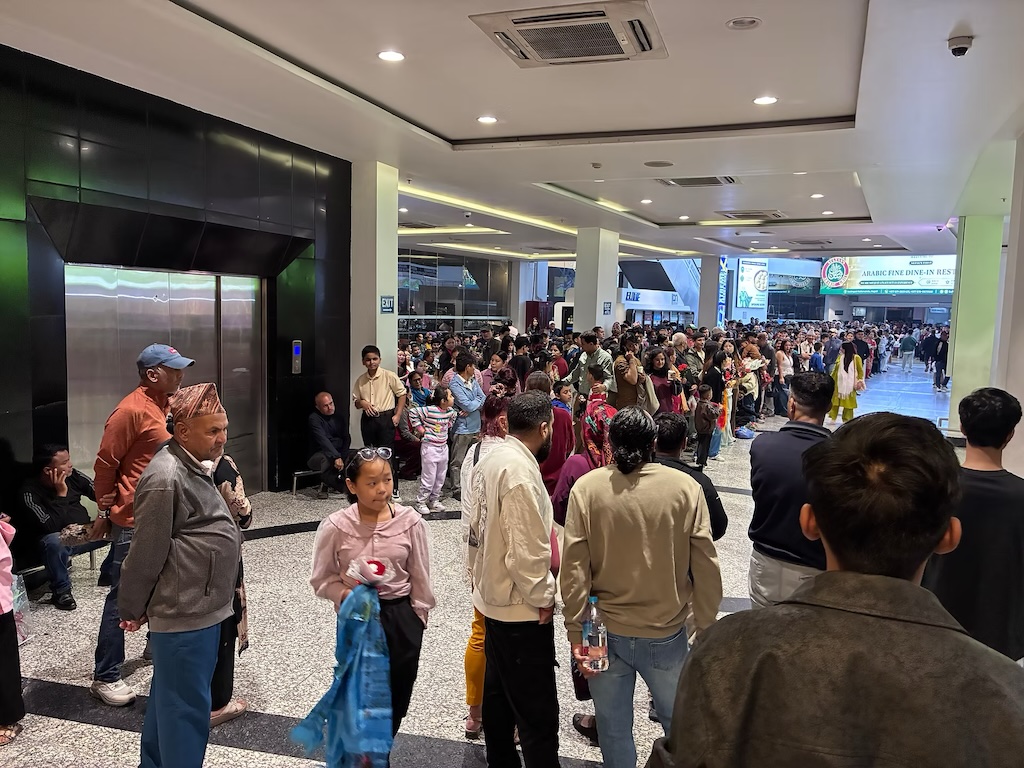
Picking up Kim at the airport a week before the Dashain holidays started, we were surprised at how packed the international arrivals part of the Kathmandu airport was. So many friends and family members were waiting to welcome those coming back for the festival time. It made me think of my Nepali teacher whose 26 year old son just left for work and study in Japan, and will likely not return in the next four or five years. That timeline reality is typical for Nepalis who travel abroad for work or study, and explains why so many people might show up to the airport to meet someone returning from abroad if they haven’t been home for four or five years.
And then on October 9th we went to Canada. The larger Nafziger family was thankfully able to wait for Kathy’s memorial service until we could be there. The two weeks we were gone from Nepal was a two-week Dashain break from the boys’ school and included four days’ holiday from work for us anyway, so it was thankfully good timing.
Upon our return to Nepal (getting in just shortly before midnight on Friday the 23rd, we were thrown right back into the thick of work, with this past week being Learning Review at UMN. Learning Review is an annual gathering when the around 40 Kathmandu office staff are joined by the 50 or so field staff from our regional more rural offices from around the country. We meet on the UMN grounds under a huge tent, as there is no space in our buildings big enough to hold such a large crowd. We gather together for meetings to learn about the wider work of UMN and also hear from each department about what they have been working on recently. To make it worth the while of the remote staff coming from so far away, we had a six-day workweek, with Sunday being a workday as well.
My favorite learning from the week was about what our colleagues are doing with some farmers in the southern plains of Nepal. They have introduced vermiculture compost, or worm compost, to some cattle farmers. The worms along with the water-buffalo manure have helped some of the farmers there start a business selling the compost to other farmers as well as nurseries and small-plot gardeners. Not only are they making money off the compost they are selling, but their own crop yields have increased substantially with the added benefit of being less reliant on chemical fertilizers, which is especially relevant now with the higher oil and synthetic nitrogen prices due to the US and Israel war in Iran. Here is an older article about vermicompost from our UMN website.